

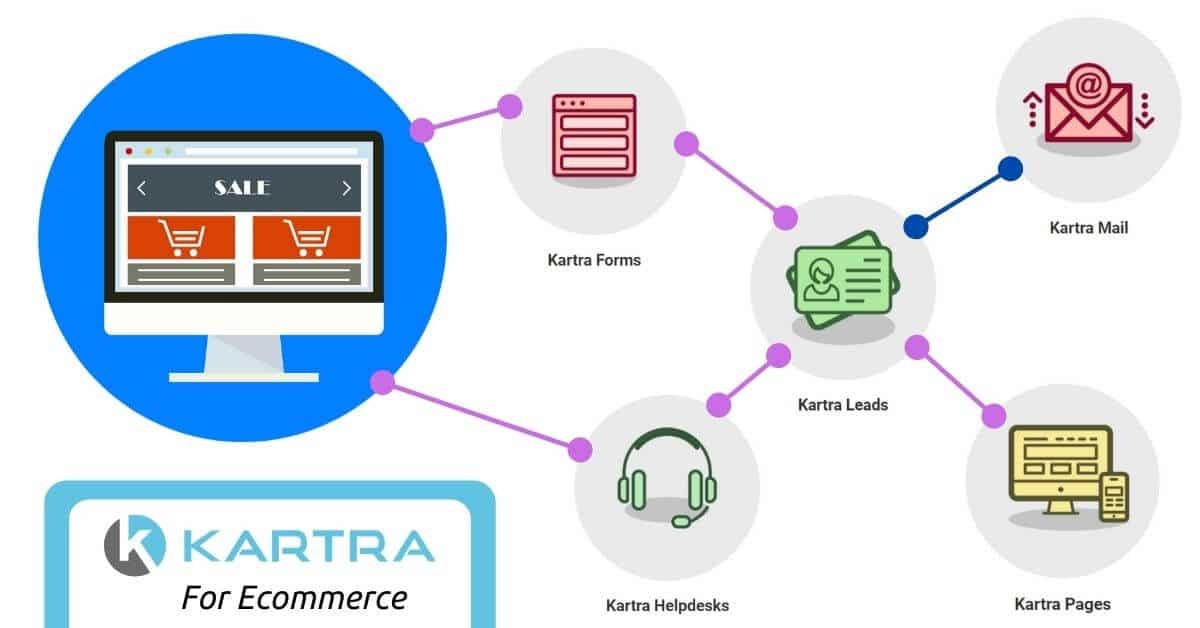
Kartra was an all-in-one marketing platform that supports you build websites, funnels, sell digital and email campaigns or physical products—all from the one dashboard.
Table of Contents
1. Create and Verify Your Kartra Account
- Sign up for a Kartra plan that suits your business goals and size.
- Verify the email address to activate the account.
- Log in and familiarizing yourself with the key dashboard.
- Taking the welcome tour to identify Kartra’s core features.
2. Set Up Your Business Profile
- Go to My Account > Business Profile.
- Add on the business name, address, support email, and phone number.
- Upload the business logo to branding consistency.
- Set the time zone and currency correct way.
- This information would appear on checkout pages, invoices, and emails.
3. Connect Your Custom Domain
- Navigate to My Pages > Domains.
- Add the subdomain and custom domain (e.g., www.yoursite.com).
- Updating DNS settings in the domain registrar as instructed.
- Assigned the domain to Kartra pages.
- Utilizing the custom domain construct up trust and refined brand credibility.
4. Configure Payment Gateways
- Go to Integrations > Payment Gateways.
- Connecting Stripe, PayPal, or other supported gateways.
- Testing the payment connection to ignore checkout errors.
- Setting up tax rules if needed (especially for international sales).
- This step was necessary before selling the product.

5. Create Your First Product
- Navigated to My Products > Products.
- Select the product type (digital, membership, coaching, or physical).
- Add on pricing details, product name, and description.
- Upload files or connected membership access.
- Assigned thank-you pages and payment options.
6. Design Your Sales Page
- Go to My Pages > Pages.
- Select the pre-designed Kartra template for beginners.
- Customized headlines, images, buttons, and colors.
- Add on product checkout links to call-to-action buttons.
- Before publishing Preview the page on desktop and mobile.
7. Build a Simple Sales Funnel
- Usage Kartra Campaigns or connect pages manually.
- Funnel structure example:
- Landing Page
- Checkout Page
- Thank You Page
- Link on each page correctly to guide customers smoothly.
- Funnels support automate the sales process.
8. Set Up Email Marketing
- Navigated to My Communications > Emails.
- Develop the mail list or segment.
- Designing email templates utilizing drag-and-drop editor.
- Write up welcome emails, promotional emails and follow-ups.
- Set out automation rules (sending email after purchase and signup).
9. Configure Automation Rules
- Usage If-Then automation inside Kartra.
- Examples:
- If user purchase product → Grant access.
- If user abandons cart → Send up reminder email.
- Automation saving time and increase conversions.
- Start simple and expand as you progress.
10. Create Membership Areas (If Needed)
- Go to My Memberships.
- Creating categories and lessons.
- Upload on videos, PDFs, or training content.
- Set up access rules based on product purchase.
- Customizing member dashboards and login pages.
11. Set Up Lead Capture Forms
- Navigated to My Forms.
- Creating opt-in forms for mail collection.
- Embed forms on pop-ups and landing pages.
- Connect forms to email automations and lists.
- Lead capture was important for longer-term marketing.
12. Enable Analytics and Tracking
- Use Kartra Analytics to track out:
- Page views
- Conversions
- Sales performance
- Add on track in pixels (Facebook, Google, etc.).
- Monitor data to refine funnels and campaigns.
13. Test Everything Before Launch
- Test opt-in forms.
- Making the test purchase using sandbox mode.
- Check on automation triggers and email delivery.
- Ensure pages load correct way on mobile devices.
- Fixed errors before going live.
14. Set Up Customer Support Tools
- Enabled Kartra Helpdesk or support ticket system.
- Creating FAQs for usual customer questions.
- Add support links in pages and emails.
- Good support construct up trust and lessens refunds.
15. Go Live and Optimize
- Published the funnels and pages.
- Start driving traffic through the ads, social media, or SEO.
- Monitored performance regularly.
- Optimized headlines, emails, and serves based on data.
- Continuous improvement leads to good outcome.


