
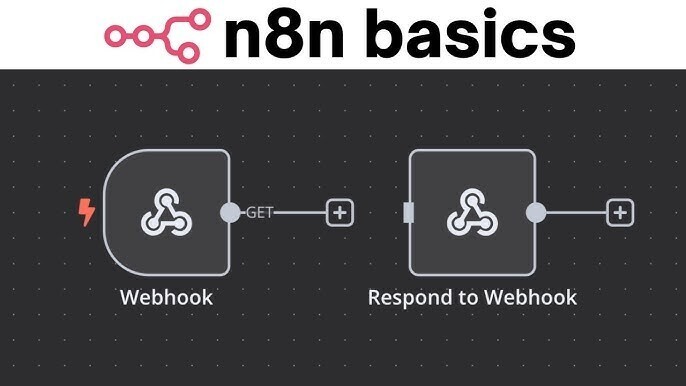
In n8n, webhooks act as real-time “doorbells,” permit external applications to trigger workflows instantly when the specific event happens. Unlike polling, which periodically checks to updates, webhooks push data to n8n the moment it was available.
Table of Contents
How to Use the Webhook Node
Set up the webhook in n8n involves 3 primary phases: configuration, testing, and production.
- Add the Webhook Node:Placing the Webhook node as the beginning point of the workflow.
- Configure Parameters:
- HTTP Method:Select between GET (retrieving data), POST (sending data, most common), PUT, PATCH, or DELETE.
- Path:Customize the URL suffix (e.g., /my-new-lead) to make the endpoint identifiable.
Test the Connection:
- Hit “Listen for Test Event”in n8n.
- Usage the tool such as Postman or Insomnia to send out the sample request to the Test URLprovided by n8n.
- Verify that n8n capture the incoming JSON payload.
Manage Responses:
- By default, webhooks respond with a 200 OKstatus immediately.
- Go Live:Activate the workflow and replace the Test URL with the Production URL in the external application.
Practical Use Cases
Webhooks were necessary to connecting n8n to few service that lacks the native integration node.

- AI Agent Triggers:Kick off an AI-powered automation when a user sends a query via a custom interface, allowing n8n to summarize content, analyze sentiment, or generate responses.
- Real-Time Notifications:Sending instant alerts to Slack, WhatsApp, or email whenever the critical event occurs like the failed payment in Stripe or the newest GitHub problem.
- Incident Response:Automatically trigger the IT recovery playbook when the alert was received from monitoring tools such as PagerDuty or Jira.
Part 1: How to Use Webhooks in n8n (Setup Guide)
Set up the webhook in n8n involves 3 primary phases: production activation, configuration, and testing.
1. Adding and Configuring the Node
- Insert the Node:Add the Webhook Node as the initial step in the workflow.
- Select HTTP Method:
- POST:The most common process. Utilized when the external app push up a bundle of data (like a JSON object) to n8n.
- GET:Used to simple triggers or when you need to return information to the browser (e.g., develop the custom status page).
- Define the Path:Enter the unique identifier in an “Path” field (e.g., new-customer-registration). This creating the unique endpoint URL.
- Response Mode:
- On Received:Sends the 200 OK status back immediately.
2. Security and Authentication
- Basic Auth:Requires the username and password to triggered the webhook.
- Header Auth:Useful to validating requests from services such as GitHub or Shopify utilizing secret tokens.
- IP Whitelisting:For high-security environments, you could configure the server to only accepting requests from specific IP addresses.
3. Testing (The “Test URL”)
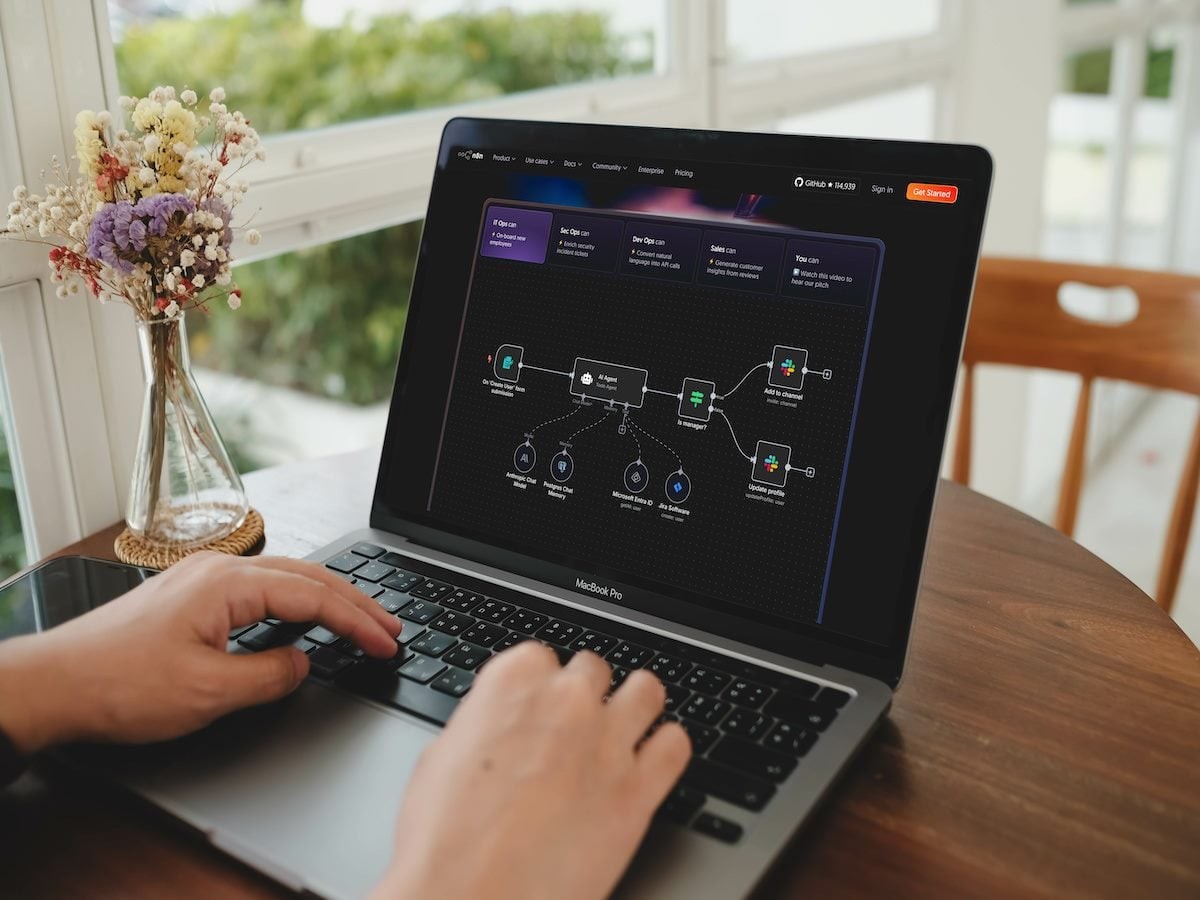
- Toggle to Test URL:n8n provided two URLs: Test and Production. Always usage the Test URL foremost.
- Listen for Event:Click in the “Listen for Test Event” button in an n8n UI.
- Trigger the Request:Sending the sample request from the source app or usage a tool such as Postman or CURL.
- Review Data:Once the data hits n8n, it would appear in the “Output” panel. You could now using these fields in the subsequent nodes.
4. Activation (The “Production URL”)
- Switch URLs:Once testing is successful, swap the URL in your external app to the n8n Production URL.
- Enable Workflow:You should click in the “Activate” toggle in top right of the n8n. Workflows utilizing the Production URL do not run unless the workflow was active.
Part 2: Practical Use Cases for 2026
1. AI-Powered Customer Support (Interactive)
- The Flow:A customer submit the query via a custom web form or Typeform.
- The Webhook:The form sending the text to n8n.
- The Action:n8n sends the text to the OpenAI or Anthropic node to generate a response based on the company’s knowledge base.
2. E-commerce Order Management & Fulfillment
- The Flow:A customer fulfill the purchase on Stripe or Shopify.
- The Webhook:Stripe triggers the session.completed event.
- The Result:Total automation of an post-purchase funnel, lessening manual data entry to zero.
3. Real-Time Security & DevOps Alerts
- The Flow:A developer pushes code to the GitHub repository.
- The Webhook:GitHub sends a payload contain the commit message and author.
- The Result:Teams stay inform of critical code changes without constantly check in repository logs.
4. Form-to-CRM Lead Enrichment
- The Flow:A new lead fills out the form on the website.
- The Webhook:The website push the mail address to n8n.
- The Result:The enriched lead data is automatically pushed into Salesforce or HubSpot, permitting sales reps to call in with complete context instantly.
5. Custom Internal Tools (Headless API)
- The Flow:You construct up the usual internal dashboard utilizing Retool or Bubble.
- The Webhook:When the button was clicked in the app, it calls the n8n webhook.
- The Action:n8n performed the complex sequence like querying a SQL database, generating the PDF report, and upload it to Google Drive.
- The Result:n8n acts as a “backend-as-a-service,” allowing you to build powerful internal tools without writing complex API logic in your frontend.
Pro-Tips for 2026
- Error Handling:Always attached the Error Trigger workflowing to an webhook flows. If the external service sending malformed data, you required the automated alert to fix in it.
- Local Development:If running n8n on the computer, usage to develop the public URL so external apps could send up webhooks to the local machine.


